


Mental Health & Wellness
Healing Happens in Relationship
At Zuma’s Rescue Ranch, we believe healing is not something that happens to one participant while the other simply stands nearby. It happens through relationship.
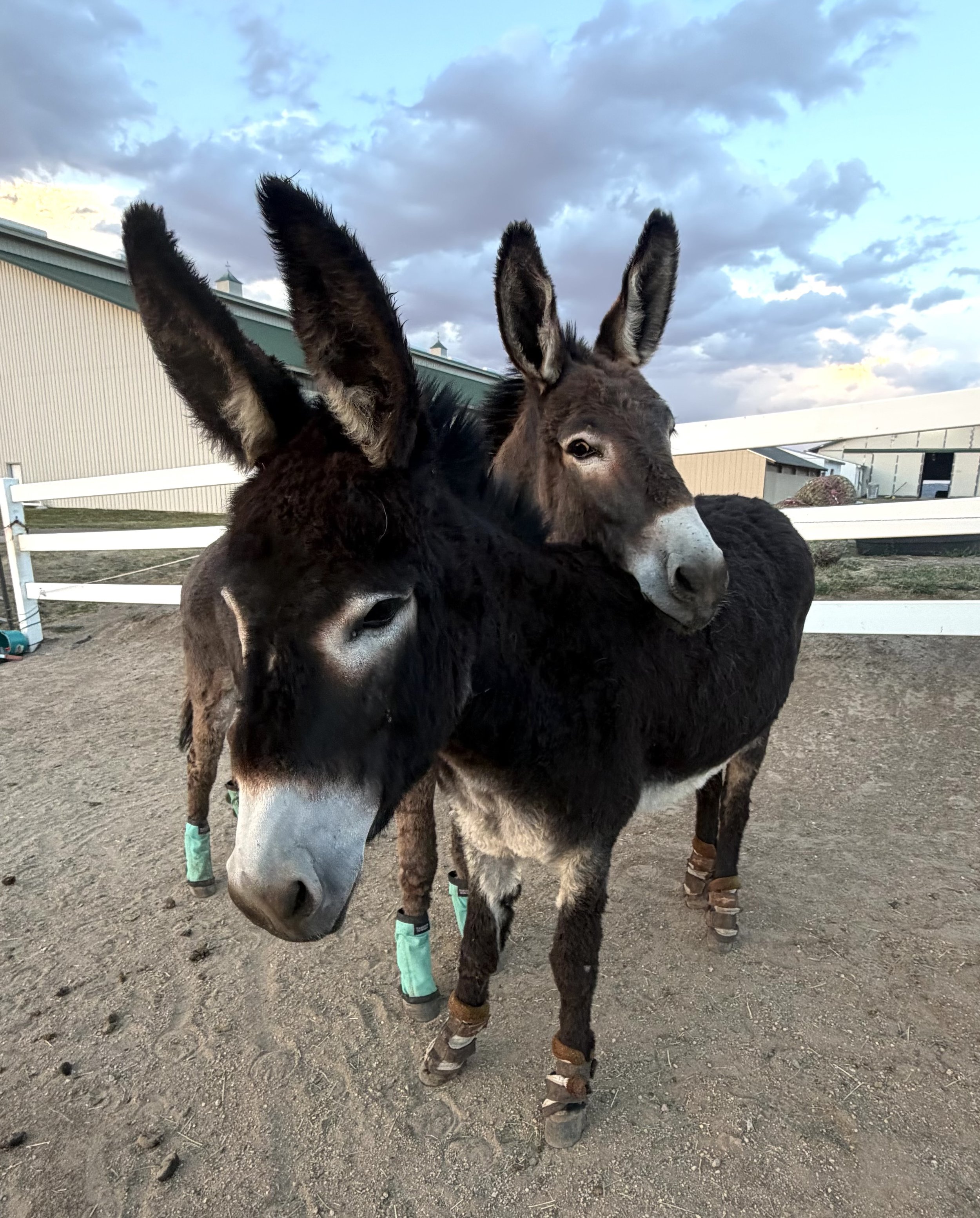
Our equine partners are rescued horses, each with a history, personality, preferences, and boundaries of their own. Many have experienced uncertainty, loss, neglect, or significant change. At Zuma’s, they are given safety, thoughtful care, choice, and the opportunity to build trusting relationships again.
Those same values guide the work we do with people.
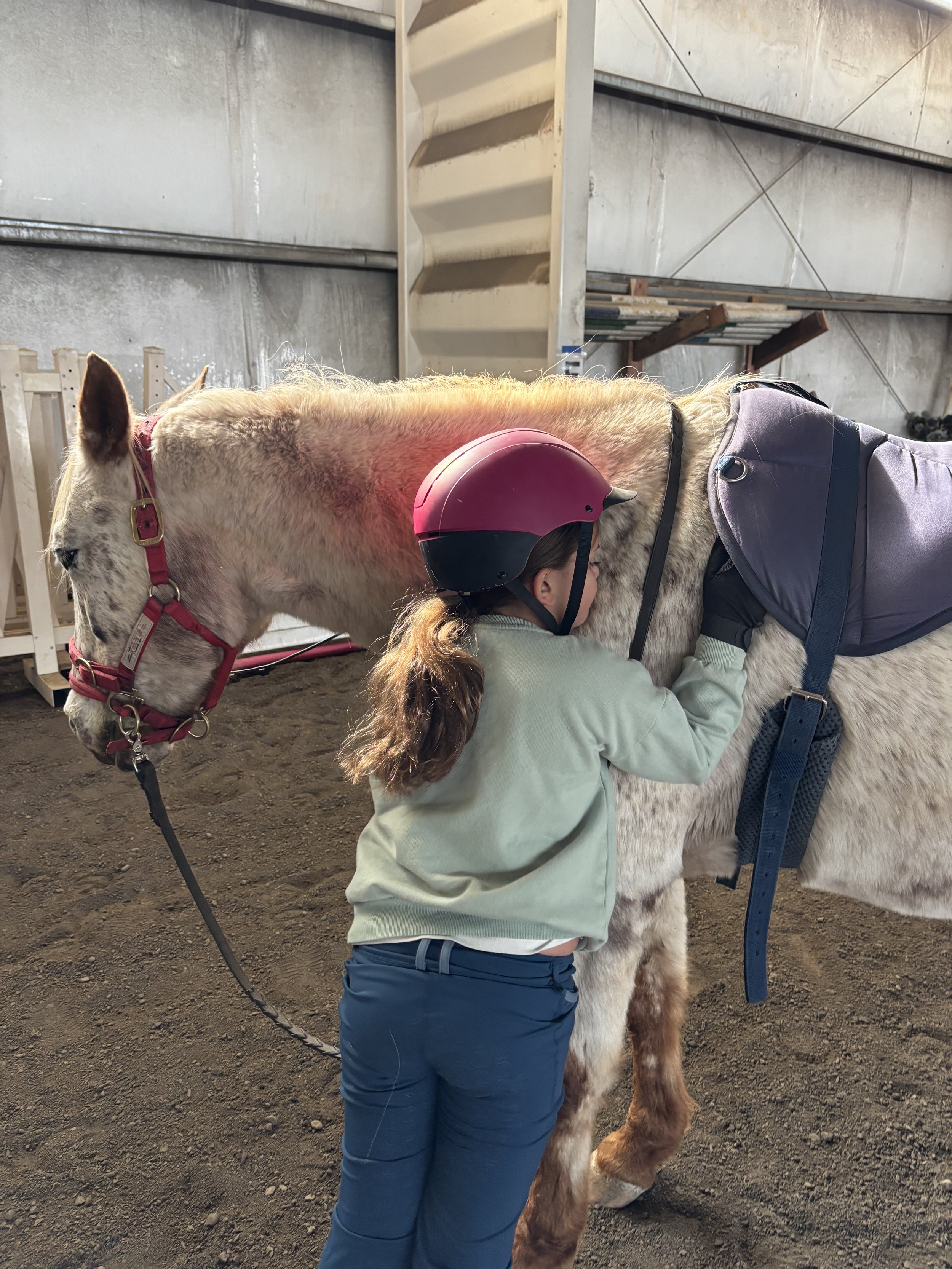
Through Equine-Facilitated Psychotherapy, clients are invited into a therapeutic relationship that includes a mental health professional, the natural ranch environment, and one or more members of our rescued herd. Together, we create experiences rooted in respect, curiosity, connection, and mutual healing.
Your First Steps
1. Let's Talk
Schedule a complimentary phone consultation. We'll learn what brings you to Zuma's, answer questions, and explore which service may be the best fit.
2. Meet the Ranch
Join us for a $50 in-person Meet & Greet. Tour the ranch, meet your provider, and spend some introductory time around our rescued animals.
3. Find Your Path
Together, we'll discuss recommendations, availability, fees, and next steps, whether that includes therapy, learning, or another ranch program.
What Is Equine-Facilitated Psychotherapy?
Equine-Facilitated Psychotherapy, or EFP, is mental health therapy that intentionally includes horses in the therapeutic process.
It is not simply talk therapy conducted near a horse. The horse’s presence, communication, choices, and responses become meaningful parts of the experience.
Horses communicate primarily through movement, body language, proximity, and relationship. They notice subtle changes in their environment and respond honestly in the moment. This can help clients become more aware of their own emotions, body sensations, communication patterns, boundaries, and ways of relating to others.
During a session, a client might:
Observe the herd and notice which horse draws their attention
Spend quiet time sharing space with a horse
Practice approaching, connecting, or setting a boundary
Groom or care for one of the animals
Lead a horse or complete an activity together
Explore what happens when a horse moves closer, walks away, pauses, or chooses to engage
Reflect on thoughts, emotions, relationships, and patterns that emerge naturally during the experience
There is no single “right” way to participate. Sessions are individualized, and clients are never required to touch, lead, or interact with a horse before they feel ready.
Most EFP sessions are completed entirely from the ground. No riding or previous horse experience is required.

Who Can Benefit from Equine-Facilitated Psychotherapy?
Equine-Facilitated Psychotherapy (EFP) may be beneficial for children, teens, adults, families, and caregivers navigating a variety of emotional, behavioral, and relational challenges.
EFP can support individuals experiencing:
Anxiety and chronic stress
Depression and emotional overwhelm
Trauma and difficult life experiences
Grief and loss
Difficulty with emotional regulation
Low self-esteem or confidence
Family conflict and relationship challenges
Boundaries and communication difficulties
Caregiver stress and burnout
Identity changes and major life transitions
Some clients come to Zuma's because traditional office-based therapy hasn't felt like the right fit. Others are comfortable with talk therapy but are looking for a different way to explore emotions, build connections, and practice new skills.
Whether you're navigating a specific mental health concern or working through a challenging season of life, EFP offers an opportunity to explore your experiences in a supportive, relationship-centered environment.
EFP may be used as a primary form of therapy or alongside other mental health services, depending on individual needs and treatment goals.

Support access to mental healthcare for all.
Zuma’s sliding scale therapy sessions and Medicaid therapy offerings allow us to help more members of our community. Donating to Zuma’s supports greater access to critical mental healthcare.